
When to Euthanise a Dog with Arthritis: Making the Tough Decision to Say Goodbye
As dog owners, we know how our pets become an integral part of our families, bringing us immense joy and unconditional love. But, just like humans, they might face some health challenges as they age, such as arthritis, which can affect joint health and their quality of life.
It’s a tough reality, but sometimes it is necessary to consider the difficult decision of euthanising a dog with arthritis.
In this blog, we’ll discuss when to euthanise a dog with arthritis, including the signs to watch for, important factors to consider, and how to approach the topic with compassion and love.
We know this subject is extremely sad and a hugely difficult decision to even think about, but being informed and seeking professional guidance can help us navigate this rough road and explore any other potential options that may be available.
Understanding Dog Arthritis
Arthritis is a common condition that affects both us humans and our beloved dogs. It causes a dog’s joints to get inflamed, leading to pain, stiffness, and decreased mobility.
Now, here’s the tricky part – our pups can’t exactly tell us when they’re hurting, which makes it tough for us to gauge our dog’s pain. However, there are some common signs we can look out for.
Signs of Arthritis in Dogs
Here are some signs that might indicate your dog is struggling with arthritis, however it’s important for owners to consult with a veterinarian for an accurate diagnosis and appropriate treatment:

- Difficulty Standing Up: Arthritis can make it challenging for dogs to get up from a lying position, and you might notice some reluctance to move around. This may be a result of severe muscle loss or the constant pain associated with developing arthritis.
- Limping or Favouring a Limb: You might see them limping or trying to avoid putting weight on a particular limb, especially in overweight dogs.
- Stiffness: Senior dogs, especially larger dog breeds like German Shepherds might move a bit slower, especially after some rest, showing signs of stiffness.
- Reduced Activity: Is your energetic pup suddenly slowing down and avoiding activities they used to adore? That could be a sign that arthritis is affecting their joints.
- Changes in Behaviour: Arthritis can also bring some behaviour changes, like increased irritability or pulling away from family members.
- Licking or Chewing Joints: Keep an eye on them – if they start licking or chewing at joint inflammation more and more as arthritis progresses, it might be their way of dealing with the pain.
Arthritis doesn’t play fair – it’s a progressive condition, meaning it often get worse over time. As it advances, your pup’s pain and mobility issues might become more intense, making it harder for them to do even the simplest tasks. So, it’s essential to keep a close eye on them, give them appropriate pain medications as prescribed by a vet and regularly check on how they’re feeling.
Consulting with an Expert Vet

If you spot any of these signs or suspect arthritis, it’s time to call in the professionals. Your vet will be able to do a thorough check-up, possibly including X-rays, to properly diagnose the condition.
Once diagnosed, your vet will work alongside you to create a comprehensive treatment plan for your pup’s arthritis.
This plan might involve medications, joint supplements, making some lifestyle adjustments, and joint treatments or alternative therapies such as stem cell therapy.
Stem Cell Therapy: A Viable Treatment Option Before Euthanasia
Before deciding on euthanasia for a dog with arthritis, consider stem cell therapy, a treatment that has shown success in alleviating arthritis symptoms. This procedure uses stem cells, typically harvested from the dog’s fat tissue or bone marrow, to repair damaged tissue. These cells are injected into the affected joints to reduce inflammation and pain.
Stem cell therapy is minimally invasive and completed within two visits. Dogs undergoing this treatment experience reduced joint pain and inflammation, leading to increased mobility and improved quality of life.
It’s a safe option with minimal risks, but consultation with an expert veterinarian is essential to assess its suitability for your dog’s specific condition. Contact Stem Cell Vet for more information on available treatment options and to make an informed decision for your pet.
Other Possible Treatment Options to Consider
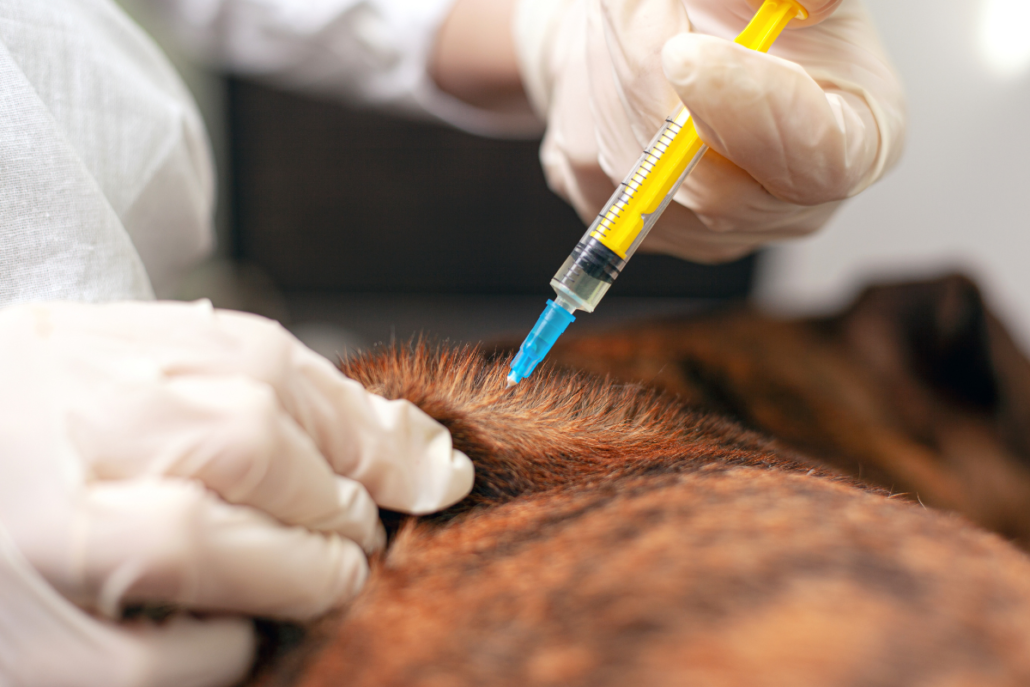
It is crucial to explore all treatment options before reaching the painful decision of euthanising a dog suffering from arthritis. These alternative options can not only offer relief from pain but also allow your beloved pet to enjoy their daily activities with minimal discomfort.
Some alternative options to consider are:
- PRP Therapy: Platelet-Rich Plasma (PRP) Therapy uses your dog’s blood to create a concentrated solution of platelets, which is then injected into the affected joints. This therapy accelerates healing and reduces inflammation, providing relief from your dog’s arthritic symptoms.
- Maintaining a Healthy Weight: A healthy weight is crucial, as excess weight exacerbates joint stress. A balanced diet, supplemented with anti-inflammatory nutrients, can aid in managing arthritis symptoms.
- Joint Fluid Replacement Injections: These injections for dogs with arthritis supplement the fluid in the joints, improving lubrication and reducing friction and pain.
- Physiotherapy: Physiotherapy for dogs can improve joint flexibility and strength. Under the guidance of a trained physiotherapist, your dog will engage in exercises designed to enhance mobility without additional joint stress.
- Laser Therapy: Cold laser therapy is a non-invasive treatment that stimulates cell regeneration and increases blood circulation, helping to reduce inflammation and pain in the joints.
- Pain Medication: Under professional supervision, prescribed pain medications can offer some relief from chronic pain, enabling a more comfortable and active life for your dog. It is important to follow your vet’s instructions as pain meds may cause side effects.
Considering arthritis treatment options like stem cell therapy, PRP therapy or joint fluid replacement injections for managing your dogs arthritis symptoms effectively can allow your pet to enjoy their remaining years with reduced pain. Reach out to our team at Stem Cell Vet for their insight and guidance during this challenging time. They’ll help you assess your dog’s health and comfort, providing options for pain management and support.
The Difficult Decision: When to Consider Euthanasia
Deciding when to euthanise an arthritic dog is incredibly emotional and personal. As loving pet owners, our number one priority is our dog’s quality of life and comfort. Before you take this route, we strongly encourage you to contact a professional and explore the many pain management options available.
However, if these are no longer an option, here are some factors to think about when making this tough decision:
- Medical Prognosis: It’s essential to consult with your vet about your dog’s prognosis and the potential for improvement with ongoing treatment. If the prognosis is poor, euthanasia might be a compassionate choice.
- Pain Management: Take a look at how well their pain is managed with medications and treatments. If it’s becoming too much for them to handle, euthanasia might be a way to prevent further suffering.
- Mobility: Keep an eye on how arthritis affects their ability to move, walk, or do their daily activities. If it’s severely impacting their mobility and independence, it might be time to let them go peacefully.
- Enjoyment of Life: Think about whether they still find joy in their daily activities and interactions. If they seem disinterested in things they used to love, it might be a sign that their quality of life has diminished.
- Appetite and Hydration: Watch their eating and drinking habits – a loss of appetite or dehydration might be signs of severe pain or discomfort.
- Incontinence or Accidents: If they’re experiencing incontinence or having frequent accidents due to mobility issues, it can be distressing and massively affect overall well-being and quality of life.
The Euthanasia Process: A Compassionate Farewell
When the time comes to say goodbye to your dog, it’s natural to feel a mix of emotions – sadness, love, and a desire to give your pet the best farewell possible. Most veterinarians offer euthanasia services in a calm and compassionate environment.
You might be worried about the process itself, but rest assured, it’s quick and painless. The veterinarian will administer an anaesthetic or sedative to ensure your dog is calm and comfortable. Once your pup is relaxed, the veterinarian will gently and peacefully administer the euthanasia solution, which helps them pass away peacefully.
It’s natural to want to be with your dog during their final moments. Holding and comforting them can bring both of you a sense of peace and closure.
Honouring Your Dog’s Memory
Saying goodbye to a cherished pet is an incredibly emotional experience, and it’s essential to allow yourself time to grieve. Everyone copes with loss differently, so honour your feelings and find ways to remember and celebrate the wonderful memories you shared with your pet dog.
Don’t forget, you’re not alone in this journey. Your friends, family, and even professional counsellors can be a great source of support to lean on during this emotional time.
Key Takeaways
Ultimately, deciding to euthanise a dog with arthritis is one of the most challenging decisions a pet owner can make. It’s filled with emotions, doubts, and heartache.
But throughout your dog’s life, you were their guardian and best friend, providing them with unconditional love and care. Here are our key points:
- Recognising arthritis symptoms in dogs is the first step towards providing them with the necessary care and treatment, enhancing their quality of life.
- Stem Cell Therapy is highlighted as a notable treatment option, offering a less invasive avenue to alleviate arthritis symptoms before considering euthanasia.
- Seeking professional veterinary advice is crucial for accurate diagnosis and crafting a comprehensive treatment plan, with a range of alternative treatments like PRP therapy, laser therapy, and physiotherapy discussed.
- The decision of euthanasia is emotional and personal, with several factors provided to help evaluate your dog’s quality of life and make an informed, compassionate choice.
- Honouring the memory of your cherished pet is an essential part of the grieving process, showcasing the indelible bond shared with them.
Making the decision to let them go is a testament to the deep bond you shared, as it demonstrates your commitment to ending their suffering and ensuring a peaceful passing.
In the end, what matters most is that you made this decision out of love and compassion.