
Arthritis in German Shepherds: Symptoms, Causes, and Treatment
Welcome to our comprehensive blog post on arthritis in German Shepherds! If you have a German Shepherd companion and want to learn more about this common condition, including its symptoms, causes, and treatment options, you’re in the right place.
Here, we will explore the ins and outs of arthritis in German Shepherds, providing you with valuable insights to help you understand and care for your furry friend’s joint health. Let’s dive in!
What is Arthritis in German Shepherds?
Arthritis is a prevalent condition that frequently affects large breed dogs, such as German Shepherds. It leads to inflammation and deterioration of their joints, resulting in pain, stiffness, and limited mobility, which greatly affects their overall well-being. While arthritis can impact different joints in German Shepherds, it is most commonly observed in their hips and elbows. Understanding the nature of this condition is vital for providing appropriate care and support to German Shepherds experiencing arthritis.
German Shepherd Arthritis in Back Legs, Hips and Elbows
Arthritis in the hips and elbows of German Shepherds are a direct result of the breed’s genetic predisposition and their active lifestyle. The constant movement and physical exertion put stress on these joints, leading to cartilage degeneration, inflammation, and subsequent pain and mobility issues.
German Shepherds are also known to commonly experience issues with their back legs. This breed is predisposed to certain conditions that can affect their hind limbs, such as hip dysplasia and degenerative myelopathy.
Hip dysplasia is a condition where the hip joint doesn’t develop properly, leading to joint instability, pain, and eventual arthritis. It can cause difficulty in walking, lameness, and decreased mobility in the hind legs. Early detection, proper management, and surgical interventions if necessary can help improve the quality of life for German Shepherds with hip dysplasia.
Degenerative myelopathy (DM) is a progressive neurodegenerative disease that affects the spinal cord. It typically starts with weakness in the hind limbs, loss of coordination, and difficulty in getting up or walking. Over time, the condition worsens, eventually leading to paralysis. While there is no cure for DM, supportive care, physical therapy, and mobility aids can help manage the symptoms and maintain a good quality of life.
It’s important to note that not all German Shepherds will develop these conditions, but the breed is considered more prone to them compared to some other breeds.
German Shepherd Arthritis Risk Factors

Arthritis in German Shepherds has various causes and risk factors that contribute to its development. Recognizing these factors is essential for owners as it enables them to identify potential triggers and implement preventive measures. Let’s explore some common causes and risk factors associated with arthritis in German Shepherds:
- Age: As German Shepherds age, the wear and tear on their joints increase, making them more prone to developing arthritis. Older dogs are more likely to experience joint degeneration and inflammation.
- Overexertion and Intense Exercise: German Shepherds are an active breed that loves physical activities. However, engaging in excessive or high-impact exercise can lead to joint stress and increase the likelihood of arthritis. Proper moderation and avoiding activities that strain the joints can help reduce the risk.
- Poor Nutrition: Inadequate nutrition can contribute to the development of arthritis in German Shepherds. A balanced diet that lacks essential nutrients, especially those crucial for joint health, can impair joint function and increase susceptibility to arthritis. Providing a well-balanced and nutrient-rich diet is essential for maintaining optimal joint health.
- Poor Joint Alignment: German Shepherds with improper joint alignment or biomechanical abnormalities may be more prone to developing arthritis. Conditions such as patellar luxation or osteochondritis dissecans can disrupt normal joint mechanics, leading to joint degeneration over time.
Symptoms of Arthritis in German Shepherds
Recognising the unique signs and symptoms can help you identify potential arthritis in your German Shepherd early on, allowing for timely intervention and improved quality of life. If you observe any of the following indicators, consulting with a veterinarian is recommended for a proper diagnosis and tailored treatment plan:
- Altered Gait or Favoring: You may notice changes in your German Shepherd’s walking pattern, such as a limp or a preference for one leg over the other.
- Mobility Challenges: Your dog might experience stiffness or difficulty when getting up from lying down or moving around. They may exhibit signs of discomfort while transitioning between positions.
- Hesitation with Jumping or Stairs: German Shepherds with arthritis may show reluctance to engage in activities that involve jumping or climbing stairs due to joint pain and reduced mobility.
- Decreased Activity Levels and Exercise Tolerance: You might observe a decrease in your dog’s overall activity levels and a reduced tolerance for exercise. They may appear less enthusiastic or tire more easily during physical activities.
- Joint Swelling and Tenderness: Arthritic joints in German Shepherds can exhibit visible swelling and tenderness. You may notice localised inflammation around the affected joints.
- Excessive Licking or Chewing at Joints: Dogs with arthritis may frequently lick or chew at their joints as a response to discomfort or pain. This behaviour can indicate their attempt to alleviate discomfort.
- Changes in Movement Patterns: Watch for any noticeable alterations in your German Shepherd’s gait or movement. They may exhibit stiffness, uneven weight distribution, or an altered stride as a result of joint pain.
- Vocalisations or Sensitivity to Touch: Dogs experiencing arthritis might vocalise, yelp, or whimper when touched or handled. As German Shepherds tend to be quite a vocal breed, in general, it is important to be aware if this increases, perhaps when certain joints are moved or handled.
Diagnosis of Arthritis in German Shepherds
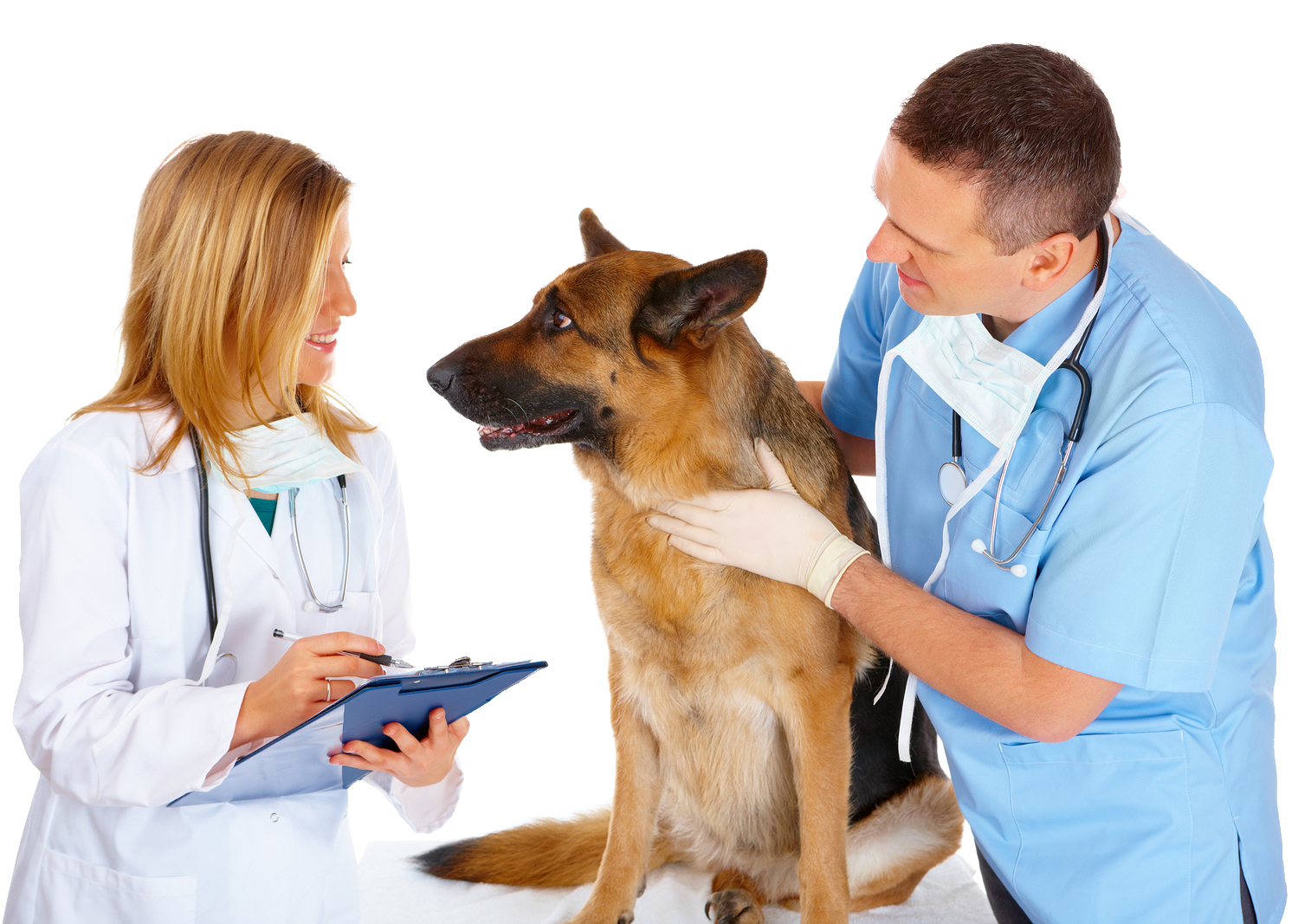
Diagnosing arthritis in German Shepherds requires a thorough evaluation by a veterinarian. The diagnostic process typically involves a comprehensive physical examination, a review of the dog’s medical history, and potentially additional tests. X-rays can be performed to assess joint damage and rule out other conditions, while joint fluid analysis may help determine the severity of inflammation.
The veterinarian will carefully analyse the findings and consider the specific symptoms presented by the German Shepherd. With an accurate diagnosis, appropriate treatment options can be recommended to manage arthritis and improve the dog’s overall well-being.
Treatment Options for Arthritis in German Shepherds
Treating arthritis in German Shepherds requires a comprehensive approach that focuses on reducing pain, managing inflammation, and improving joint function. Here are some commonly used treatment options:
Medications
Nonsteroidal anti-inflammatory drugs (NSAIDs) may be prescribed by your veterinarian to alleviate pain and reduce inflammation in the joints. These medications can help improve your German Shepherd’s comfort and mobility.
Physical Therapy
Physical therapy techniques, such as therapeutic exercises and hydrotherapy, can significantly improve joint mobility, strengthen muscles, and alleviate pain. Through targeted exercises and controlled movements, physical therapy helps maintain flexibility in the affected joints and prevents further stiffness.
Stem Cell Therapy
This innovative approach utilises the regenerative properties of stem cells to promote tissue repair and reduce inflammation in the affected joints. The procedure involves harvesting stem cells from the dog’s own body or from a donor source and then injecting them directly into the arthritic joints. These stem cells have the remarkable ability to differentiate into various cell types, aiding in the regeneration of damaged cartilage and promoting joint healing. Stem cell therapy offers a potential alternative to traditional treatments, providing a natural and effective means of alleviating pain and improving mobility in dogs with arthritis.
Weight Management
Maintaining a healthy weight is crucial for dogs with arthritis. Excess weight puts additional stress on the joints, worsening the symptoms. Your veterinarian can provide guidance on proper nutrition and portion control to help your German Shepherd maintain an ideal weight.
Assistive Devices
In some cases, especially with large breed dogs such as German Shepherds, assistive devices such as orthopaedic beds, ramps, or harnesses may be recommended to support their mobility and reduce strain on the joints. These devices can make everyday activities easier and more comfortable for your dog.
Here is a comparison of various treatment options not yet mentioned available for German Shepherds with arthritis:
| Treatment | Duration | Cost | Efficiency | Side Effects |
| Stem Cell Therapy | Varies | High | High | Minimal |
| Platelet Rich Plasma (PRP) | Varies | Moderate | Moderate | Minimal |
| Joint Fluid Replacement Injection | Varies | Moderate | High | Varies |
| Surgery | Varies | High | High | Potential complications and longer recovery time |
| Supplements | Ongoing | Low to Moderate | Variable | Generally well tolerated |
| Physical Therapy | Ongoing | Varies | Moderate | Minimal |
| Weight Management | Ongoing | Low to Moderate | Low to Moderate | Minimal |
It’s important to note that the choice of treatment options will depend on the severity of your German Shepherd’s arthritis, their overall health, and the recommendations of your veterinarian. A tailored treatment plan will be designed to address your dog’s specific needs.
Caring for a German Shepherd with Arthritis

While arthritis is a common and unfortunately, almost inevitable, condition in this particular breed, there are steps you can take to help prevent its onset or slow its progression:
- Maintain normality as much as possible: Ensure your dog still gets to enjoy their favourite foods and exercises in moderation. Look at adding food to their diet that includes essential nutrients and keeps them active through low-impact activities that minimise stress on the joints.
- Avoid Excessive Force or Trauma: Protect your German Shepherd from injuries or trauma that can lead to joint damage. Avoid activities that involve excessive force or jumping from heights.
- Promote Joint Health: Consider using joint-supporting supplements recommended by your veterinarian, in conjunction with other treatments to help maintain healthy joints. These supplements may include ingredients like glucosamine, chondroitin, and omega-3 fatty acids.
- Regular Veterinary Check-ups: Schedule routine check-ups with your veterinarian to monitor your German Shepherds’ joint health and detect any early signs of arthritis. Early intervention can help slow the progression of the condition.
By following these tips and working closely with your veterinarian, you can provide the best possible care for your German Shepherd with arthritis and help them live a comfortable and fulfilling life.
Learn More!
Arthritis is a common condition that can affect German Shepherds, causing pain, stiffness, and reduced mobility. By educating yourself on the symptoms, causes, and treatment options for arthritis in German Shepherds, you can take proactive steps to manage the condition and improve your dog’s quality of life.
Remember, early detection and intervention are crucial in managing arthritis. If you suspect your German Shepherd may have arthritis or if you notice any changes in their mobility or behaviour, consult with your veterinarian for a proper diagnosis and to discuss the most suitable treatment options.
To learn more about our stem cell therapy treatment as an option for your furry friend consult our comprehensive eBook guide!
If you have any further questions or would like to learn more about arthritis in German Shepherds, don’t hesitate to reach out to one of our qualified veterinarians for personalised advice and guidance. We’re here to help!