
Best Arthritis Medicine for Dogs: Reviewed and Explained
Arthritis is a common and painful degenerative joint disease in dogs, affecting their joints and mobility. While there are natural supplements available that can help manage symptoms and improve joint health, it’s important to recognise that these are part of a broader spectrum of treatments.
In this blog post, we will explore both natural and pharmaceutical options for managing canine arthritis. From supplements that support joint health to medications that relieve pain and inflammation, our goal is to provide you with comprehensive insights into the various ways you can help your dog lead a more comfortable life.
We’ll also touch on innovative therapies, such as stem cell therapy, that are showing great promise in treating the underlying causes of arthritis.
Our Top Picks for Arthritis Pain Medication for Dogs

1. Joint Supplements
Chondroitin sulphate and glucosamine are some of the very best supplements to give to a dog when they have arthritis. These joint supplements help lubricate the joint that is affected.
This is important because when a dog has arthritis, the lubricating fluid that was once in the joint has now gone. By smoothing the joint once again, it is easing up the stiffness that comes with arthritis and therefore the chronic pain.
These supplements can take up to 6 weeks to start doing their work, and it is important that your dog doesn’t miss out a few days of taking them either. Missing a few days with other pain medications isn’t too bad, but if they do with supplements, they may have to start the 6 week period over again.
2. Omega 3
Omega 3 fatty acid is another supplement, but it is so important that we thought we would give it its own section on this list. It is made from fish oil or flaxseed oil and is a great anti-inflammatory.
This also helps lubricate the joint and helps with any inflamed areas that your dog may have as a result of having arthritis. It is not only great for arthritis, it also helps maintain the health and appearance of your dog’s coat, so they feel healthy and look healthy.
Studies have also shown that Omega 3 can help to reduce a dog’s weight. This is another terrific thing for arthritis because it gets rid of any excess weight that is currently on the arthritic joint.
3. Prescription Medications (Pharmaceuticals)
Pharmaceutical options, including corticosteroids and nonsteroidal anti-inflammatory drugs (NSAIDs), are essential components in managing arthritis in dogs. While we often explore natural remedies to support joint health, it is important to recognise that many dogs with arthritis will require these more potent medications for controlling pain and inflammation effectively.
Prescription medications play a critical role in managing the symptoms of arthritis, offering immediate relief that supplements alone may not provide. They are designed to reduce pain and inflammation quickly and are particularly useful for dogs with moderate to severe arthritis.
However, it’s crucial to use these painkillers for dogs under the guidance of a veterinarian, as long-term use can potentially lead to side effects. The aim is to balance effective pain relief with minimal adverse effects, often integrating these medications with natural supplements and other therapies for a holistic approach to managing your dog’s arthritis.
4. Librela
Librela is an option to manage arthritis pain in dogs through monthly injections administered by a veterinarian. This medication specifically targets and blocks the nerve growth factor protein in dogs, which is a contributor to the pain experienced from arthritis.
While Librela is effective at reducing pain and inflammation, it is important to note that it addresses only the symptoms of arthritis, not the underlying cause. As with any medication, there can be side effects, and it is possible for its effectiveness to decrease over time as the animal’s body may adapt to the treatment.
Additionally, while Librela does offer the convenience of not requiring daily dosing and can be used alongside other medications, it may not be the best fit for every dog. As with all treatments, it is essential to discuss the potential benefits and risks with your veterinarian to determine if Librela is suitable for your dog’s specific condition and health status.
5. Gabapentin
Another form of veterinary medicine that works on treating canine arthritis is Gabapentin. This is an anticonvulsant, which reduces chronic pain in your dog.
Its primary function is to mimic the activity of GABA (gamma-aminobutyric acid), a neurotransmitter, which reduces nerve function. This makes it highly effective in managing arthritis in your furry friend.
What’s more, it’s an effective long-term medication that can be used alongside stem cell therapy and other treatments. The only downside is it can sometimes cause a mild upset stomach, drowsiness and lack of coordination.
Download the free eBook: Healing Your Dog’s Arthritis: The Stem Cell Therapy Guide
Alternatives to Medication for Pain Relief in Dogs
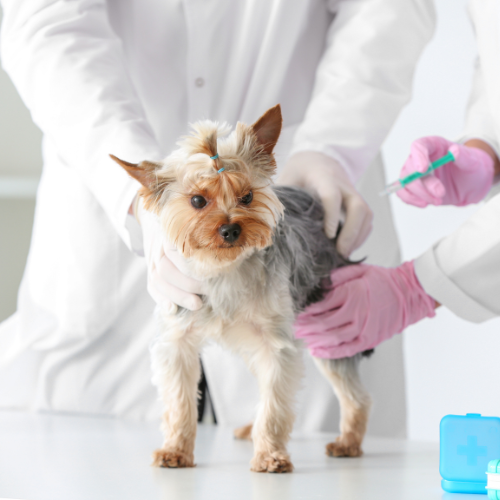
If you are exploring treatment options for your dog’s arthritis and prefer to minimise the use of pain medications, it’s important to consider therapies that address the underlying condition effectively. Among the treatments available, stem cell therapy is recognised as a primary option for managing arthritis in dogs due to its profound effectiveness in directly addressing joint issues. Dog arthritis treatment can be managed via a range of therapies, including the following:
Stem Cell Therapy: Best Treatment for Canine Arthritis
Stem cell therapy is widely considered to be a gold standard in managing arthritis in dogs. Recognised for its profound effectiveness in addressing joint issues, this therapy should be considered at the earliest signs of arthritis to maximise its benefits.
Key Benefits of Stem Cell Therapy for Dogs:
- Reduced Pain: Stem cell therapy significantly decreases the discomfort associated with arthritis, allowing dogs to enjoy a more active and comfortable life.
- Increased Mobility: Dogs treated with stem cell therapy often show a remarkable improvement in mobility, thanks to the regeneration of joint tissues.
- Quick Recovery: The procedure is a same-day treatment, enabling dogs to return to their normal activities swiftly.
- Cost-Effective: By addressing the underlying cause of joint pain, stem cell therapy can significantly reduce future medical expenses and dependency on long-term medication.
- Insurance Coverage: Many pet insurance providers in the UK recognise the value of this regenerative therapy and offer coverage for it.
Stem cell therapy treats the source of joint pain rather than merely managing symptoms, making it a pivotal choice for enhancing the health and wellbeing of dogs with arthritis.
Physical Therapy
Another way to alleviate arthritic pain in canines is through physical therapy, as it can promote blood flow and reduce muscle tension. Additionally, it can help treat multiple issues, such as hip dysplasia and neurological disorders.
There are various types of physiotherapy, including hydrotherapy, manual therapy, and introducing therapeutic exercises that you can do with your dog at home. Together with taking short daily walks, providing a balanced diet, and monitoring your dog’s progress, you can help make your pup happier.
Weight Management & Lifestyle Changes
As we just mentioned, making changes to a dog’s lifestyle and habits can help reduce pain in your pet. If your dog has too much body weight on their arthritic joints, it can worsen the amount of inflammation they have.
With this in mind, weight loss and management in arthritic dogs can improve their joint health. You can start to resolve this by giving your dog the appropriate dosage of food and providing them with a comfortable dog bed.
FAQs
How Long Does it Take for Arthritis Medications to Work with Dogs?
This depends on the type of medication your dog is taking, but NSAIDs and their anti-inflammatory properties should take effect within 2 weeks of starting the prescription. Gabapentin, Omega 3 and joint supplements can take up to 3 months to have results.
Can You Give Dogs Human Medicine?
No, you should not give a dog paracetamol. This medication is not made for animals and can cause irreparable damage to their livers. Rather, consult your vet for advice about suitable pain relief for dogs, such as Pardale V.
Contact Stem Cell Vet to Understand Canine Arthritis Better

We hope this list of medications for arthritis has been helpful. If you think you need a different route for treating arthritis in your dog, Stem Cell Vet can help you today.
Our treatments can help your beloved pet live a life with majorly less pain and inflammation. After all, isn’t that what we all want for these special members of our family? From alternative therapies to more information on veterinary medicine, we can assist you on a free in-person, video, or phone consultation.
Download the free eBook: Healing Your Dog’s Arthritis: The Stem Cell Therapy Guide