
Dogs with Arthritis in Back Legs: Care & Treatment Guide
Arthritis is a debilitating condition that affects millions of dogs worldwide, causing them to experience joint pain, stiffness, and swelling. While arthritis can occur in any joint in the body, it is particularly common in a dog’s back legs due to the constant pressure and movement these joints endure.
Arthritis can make it challenging for dogs to engage in their daily activities, such as running, jumping, and climbing stairs, leading to a reduced quality of life. Identifying and treating arthritis in dogs is crucial to managing the condition and preventing further damage.
Here, we will explore the various causes and symptoms of arthritis, how to spot it in your dog’s back legs, and the different treatment options available to help your furry friend live a pain-free and comfortable life.
Understanding Arthritis in Dogs
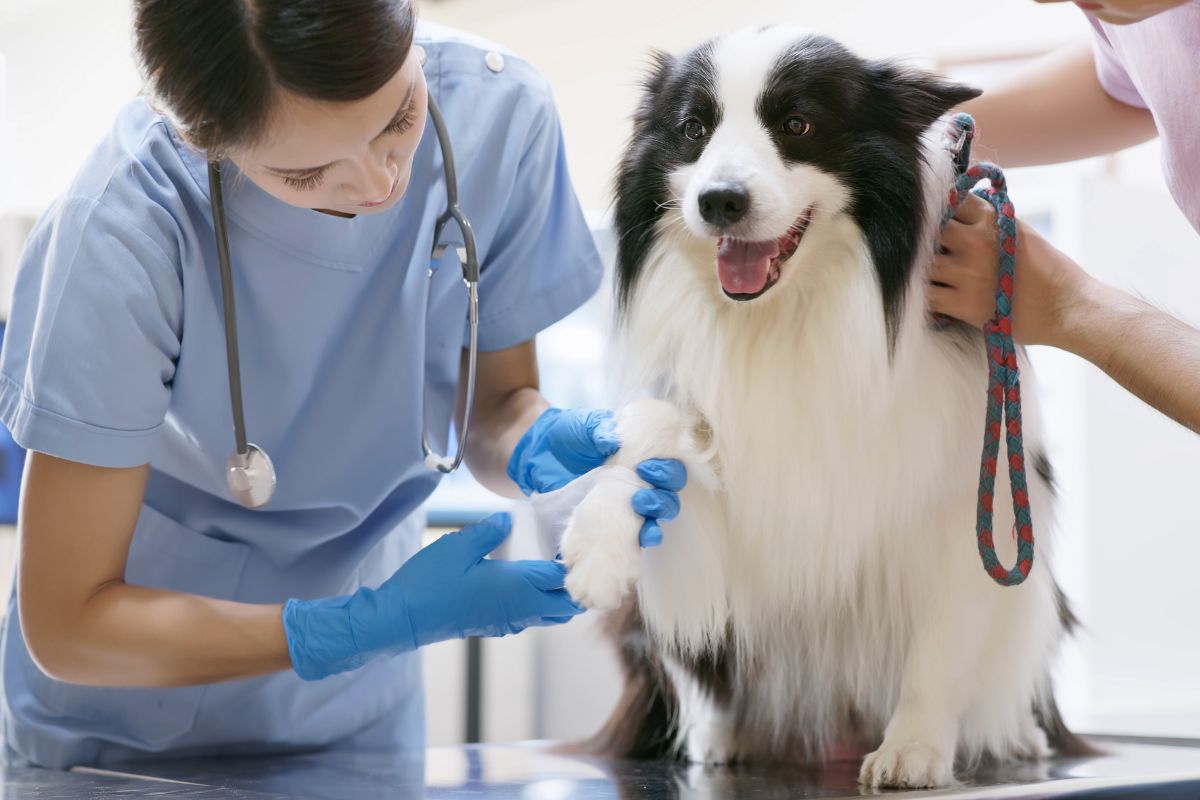
Arthritis is a degenerative joint disease that affects millions of dogs worldwide. It occurs when the lining of the joint capsule becomes inflamed (synovitis), and the cartilage that cushions the joints breaks down, causing inflammation and pain. As the disease progresses, the bones begin to rub against each other, causing further damage.
Several risk factors can contribute to arthritis in dogs, including genetics, age, obesity, injury, and infection. Dogs that are overweight or have a history of joint injuries are more likely to develop arthritis.
While arthritis can affect any joint in a dog’s body, their back legs are particularly susceptible due to the constant pressure and movement they experience. The back legs are used for jumping and running, which can lead to the breakdown of cartilage in the joints, causing pain and stiffness.
Understanding arthritis in dogs and its risk factors is essential to help prevent and manage the disease effectively.
Download the free eBook: Healing Your Dog’s Arthritis: The Stem Cell Therapy Guide
How to Spot Arthritis in Your Dog’s Back Leg
Due to the amount of pressure that back legs carry, arthritis in these joints is common. Breed associated or hereditary forms of arthritis such as hip dysplasia and elbow dysplasia are also common. When a dog runs or jumps, they put their back legs through an initial effort that can lead to the breakdown of cartilage over time, eventually causing arthritis.
As the cartilage breaks down, dogs may experience pain and swelling in and around the joint, which can progress to debilitating bouts of pain that may make it difficult for them to move around. To ensure timely treatment and prevent further damage, it’s crucial to identify the symptoms of arthritis in your dog’s back legs early on.
Some signs that your dog may be experiencing arthritis in their back legs include:
- Limping or favouring one leg: Dogs with arthritis may show signs of discomfort through limping or favouring one leg over the other. They may even lift the painful leg off the ground when standing to try and alleviate the pain.
- Difficulty getting up or lying down: Arthritic dogs may find it challenging to stand up or lie down, especially on hard surfaces like the floor. This is especially true after exercise or a long period of rest.
- Stiffness or decreased mobility: Dogs with arthritis may experience stiffness, making it challenging to move around or go for walks. You may also notice that your dog loses interest in physical activities they previously enjoyed.
- Whimpering or crying when touched or moved: Dogs with arthritis may vocalise their pain when touched or moved, indicating discomfort. They may become more reserved or shy away from people in an attempt to avoid being touched.
- Swelling or heat in the joints: Arthritis in dogs can cause swelling or heat in the joints, making them tender to the touch. Keep an eye out for any differences between the legs or changes in your how they look.
- Licking or chewing at the joints: Dogs may lick or chew at their joints, indicating pain or discomfort. This can lead to sores so it is important to address this response as soon as you notice it.
- Changes in behaviour towards humans or other dogs: Arthritic dogs may become irritable or less tolerant due to pain. Watch for sudden shifts in temperament and advise others to approach with caution.
If you notice any of these symptoms in your dog, it’s important to take them to the vet as soon as possible. A thorough examination and diagnosis by a veterinarian can confirm the presence of arthritis, and various tests and X-rays can help determine the extent of the damage. Early detection can make a huge difference in managing the condition and preventing further damage to your dog’s joints.
Diagnosis and Treatment Options

Once the diagnosis of arthritis is established, there are several treatment options available. These treatment options include:
Medications
Your vet may prescribe nonsteroidal anti-inflammatory drugs (NSAIDs) to help manage your dog’s pain and inflammation caused by arthritis. However, it’s important to note that these medications can have side effects, so they should only be used under the guidance of a veterinarian. Regular blood tests to measure kidney and liver function are necessary to ensure ongoing safety.
Diet and Exercise
Your vet may recommend a new diet and exercise regime for your dog to help alleviate arthritis symptoms. A diet rich in fresh vegetables and supplements can help reduce inflammation, and a gentle exercise program, such as hydrotherapy, can help build muscle and reduce pressure on the joints.
The primary goal of this treatment option is to build up the muscles surrounding the joint, take the pressure off, and help your dog lose any excess weight, further relieving the pressure on the joint. This treatment alone can be enough for most dogs to cope with the condition and live a long and pain-free life. Excess fat is also pro-inflammatory and can contribute to inflammation in the joints
Alternative Therapies
There are several other treatment options available for dogs with arthritis, including acupuncture, massage, and physical therapy. These treatments can help reduce pain and stiffness and improve your dog’s mobility. Acupuncture involves the insertion of thin needles into specific points on the body to relieve pain and promote healing. Massage and physical therapy can help increase blood flow, reduce muscle tension, and improve joint flexibility.
Stem Cell Therapy for Dogs with Arthritis
Stem cell therapy is a relatively new and highly effective treatment option for dogs with arthritis in their back legs. Unlike other arthritis treatment options, which focus on managing pain and inflammation, stem cell therapy aims to repair damaged joints, reduce inflammation, and relieve pain.
The procedure involves taking a sample of your dog’s own stem cells from their fatty tissue or bone marrow, which is then processed and injected into the affected joints. The stem cells work to regenerate the damaged cartilage and tissues, reducing pain and inflammation and improving mobility. It can take several weeks to see the full effects of the treatment, but most dogs experience significant improvement in their condition.
It’s important to note that stem cell therapy is not a total cure for arthritis, and it may not be appropriate for all dogs. Your vet will evaluate your dog’s overall health and determine if they are a good candidate for the treatment.
If you’re interested in learning more about stem cell therapy for arthritis in dogs, our website has a wealth of information available. We have articles dedicated to arthritis in dogs and information on the different treatments available, including stem cell therapy. We also offer a free eBook that provides more detailed information on the treatment. Check them out!
All in all, it’s essential to work closely with your vet to determine the best treatment plan for your dog. Your vet may recommend a combination of different treatments to help manage your dog’s arthritis effectively.
Tips for Living with a Dog with Arthritis

Living with a dog with arthritis can be a difficult and emotional experience, but there are several things you can do to help your dog manage the condition and live a comfortable and fulfilling life. Some tips for managing arthritis in dogs include:
Environmental Modifications
Making changes to your dog’s environment can help reduce stress on their joints. For example, providing a comfortable bed or ramp to help them get on and off furniture and in and out of cars.
Consider using non-slip rugs or carpet runners to help them get around more easily. You can also place their food and water dishes at a comfortable height to reduce the strain on their neck and back.
Pain Management Strategies
There are several pain management strategies that you can use to help your dog feel more comfortable. These include providing warm compresses, massage, and gentle stretching. You can also use heat therapy, such as a heating pad or warm towel, to help soothe your dog’s joints.
Monitoring Your Dog’s Condition
It’s important to monitor your dog’s condition regularly to ensure that their treatment plan is working effectively. You should check for any signs of inflammation or swelling, and monitor their behaviour and activity level. If you notice any changes in their condition or behaviour, contact your vet right away.
Emotional Support
Caring for a dog with arthritis can be emotionally challenging, so it’s important to seek support from family, friends, or a support group. You can also provide your dog with emotional support by spending time with them, providing plenty of affection, and engaging them in low impact activities that they enjoy.
With proper care and treatment, your dog can continue to enjoy modified daily activities and spend quality time with their family.
Conclusion
If you notice any signs of arthritis in your dog’s back legs, it’s important to seek professional help as soon as possible. Early diagnosis and treatment can prevent further damage and help manage your dog’s pain and discomfort. Your vet may recommend a combination of different treatment options, including medication, diet and exercise, stem cell therapy, and other alternative treatments.
With the right treatment plan and ongoing care, your dog can live a comfortable and fulfilling life despite their condition. It’s important to keep and open mind and work closely with your vet to determine the best treatment plan for your dog. Don’t forget to monitor their condition regularly to ensure their ongoing health and well-being.
Download the free eBook: Healing Your Dog’s Arthritis: The Stem Cell Therapy Guide