
The Overwhelming Grief of Losing a Dog
Losing a dog is not merely saying goodbye to a pet—it’s a heartrending experience akin to losing a part of your family. This poignant reality often leaves dog owners engulfed in a unique kind of grief, one that’s both intense and misunderstood.
Our article delves into this profound sorrow, offering insights into the deep bond shared with our canine companions and how their absence leaves a void impossible to fill. We also explore evolving societal attitudes and innovative ways, like stem cell therapy, to cope with and honour this irreplaceable loss.
Join us in understanding and navigating through the overwhelming grief of losing a dog.
The Unique Bond Between Dogs and Owners
We provide care for our dogs, addressing their needs with devotion and attentiveness. In return, they play a crucial role as our emotional caretakers, offering unwavering support, comfort, and love. The bond forged between a dog and its owner is unique and irreplaceable, characterised by non-verbal communication and deep understanding.
Lessons Learned from Our Furry Companions
Our dogs teach us to love unconditionally and wholeheartedly. They do not judge or harbour resentment; instead, they shower us with affection and loyalty. Learning to communicate non-verbally with them fosters empathy, patience, and connection that transcends words. The void left by their absence is thus overwhelming, filled with profound sorrow and grief.
Confronting the Void: The Impact of Dog Loss
Acknowledging and honouring the pain of losing a dog is crucial. The grief experienced is valid and deserving of recognition and support. Rituals, similar to funerals or wakes, have become increasingly common, providing a space for mourning and celebration of the life shared with the beloved animal.
Evolving Attitudes Towards Dog Loss
Unfortunately, dog loss grief has often been disenfranchised, leaving many feeling embarrassed or isolated in their sorrow. This form of grief is sometimes not fully recognised or understood by others, making it challenging for dog owners to find the support and understanding they need during such a painful time.
However, society’s perception and understanding of dog loss grief have been gradually changing. More people are recognising the significant impact dogs have on our lives, making it easier to empathise with and support those grieving their loss. The increasing acceptance and acknowledgment of dog loss grief reflect a growing awareness of the deep, meaningful relationships we share with our dogs.
Community Support and Remembrance Services
In light of this, services dedicated to honouring and remembering dogs have emerged, including those held in churches. These services, such as the Blessing of the Animals, provide a communal space for grieving, remembering, and celebrating the lives of dogs who have passed away. During the global pandemic, as many found solace and companionship in their dogs, these services have taken on an even more significant meaning.
The Stark Reality of Dog Loss Grief

Statistics underscore the depth of grief associated with dog loss. A staggering 85% of dog guardians report experiencing grief and loss symptoms comparable to those felt after losing family members. Even six months after the loss, a third of dog guardians continue to grieve, with almost a quarter still feeling the effects after a year (Sky News).
These numbers are significantly higher following the global pandemic, as many found solace and companionship in their dogs whilst being isolated from many of their friends and family members. For many, dogs are now the primary and preferred sources of love and companionship, making their loss all the more devastating.
The Growing Need for Dog Bereavement Support
The growing demand for dog bereavement support highlights the necessity of addressing and understanding this unique form of grief. Although dog loss grief is gradually becoming more recognised and accepted, many still feel hesitant or embarrassed to discuss the emotional toll it takes. Professional support, counselling, and community understanding are crucial in helping individuals navigate and process their grief.
In the words of Diane James, the head of dog bereavement support services at Blue Cross, understanding and acceptance of dog loss grief have increased over the past decade. However, disenfranchised grief, where the pain and sorrow experienced are not fully understood or acknowledged by others, is still prevalent.
Stem Cell Therapy: A Glimmer of Hope Amidst Grief
While the loss of a dog is an inevitable part of the journey, advancements like stem cell therapy offer a glimmer of hope. It allows us to potentially extend the time we have with our beloved pets and ensure that their final years are as comfortable and joyful as possible.
Understanding Stem Cell Therapy in Dogs
Stem cell therapy, a revolutionary approach in veterinary care, involves using the dog’s own stem cells to repair and regenerate damaged tissues and organs. This treatment is gaining momentum in treating a variety of conditions including arthritis, hip dysplasia, and other degenerative diseases which are common in older dogs. By alleviating pain and improving mobility, stem cell therapy can significantly enhance the quality of life for our ageing furry companions.
Enhancing Comfort in the Final Years
For many dog owners, the priority is ensuring their pet’s comfort and happiness in their twilight years. Stem cell therapy can play a crucial role here. By reducing pain and inflammation and improving overall health, this treatment can make a dog’s final years more comfortable. This not only benefits the dog but also provides peace of mind to the owner, knowing they are doing everything possible to maintain their dog’s quality of life.
Don’t hesitate to contact our vets at Stem Cell Vet or visit the Stem Call Vet website to learn more.
Conclusion: Embracing the Legacy and Love of Our Dogs
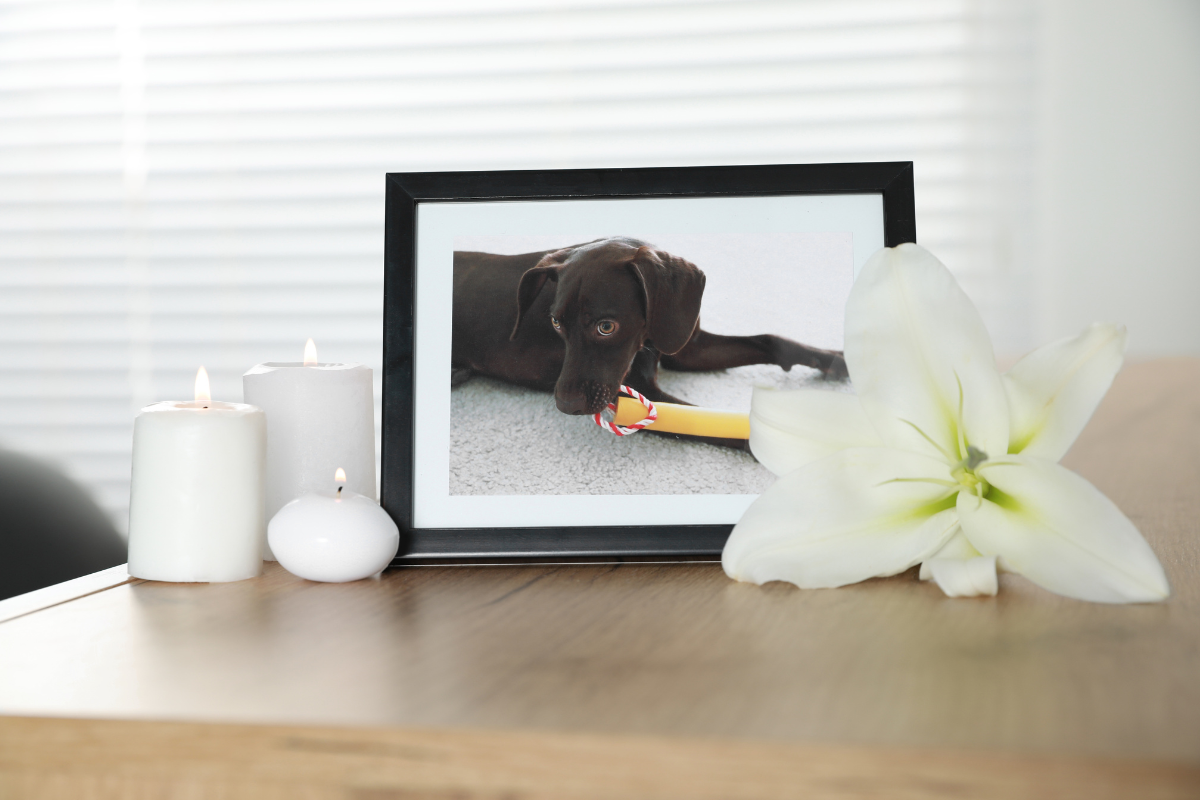
The grief following the loss of a dog is overwhelming and complex, mirroring the depth of love and connection shared with these irreplaceable companions. As society grows more understanding and accepting of this grief, it is crucial to continue supporting and acknowledging the pain and loss felt by dog owners everywhere.
Developments in dog bereavement support and advancements like stem cell therapy highlight our commitment to enhancing the lives of our canine friends. These steps not only offer hope for extending their well-being but also aid in managing the grief of their loss.
Our dogs teach us about love, joy, and companionship, and their loss deserves recognition, honour, and a shared mourning that reflects the significant place they hold in our hearts and lives.